
非托管钱包:智能化时代下的安全与创新
In recent years, the advent of cryptocurrencies has revolutionized the financial landscape, leading to a surge in the use of non-custodial wallets, such as imToken. These wallets offer users unprecedented control over their digital assets by eliminating the need for intermediaries. However, this autonomy raises a pertinent question: can law enforcement agencies freeze assets held in such wallets?
Non-custodial wallets operate on the premise that users are the sole custodians of their private keys. This decentralization means that no third party possesses the authority to access or control an individual's funds. Consequently, if a user is suspected of unlawful activities, the police face significant challenges in freezing assets stored in these wallets since there are no centralized records or authorities to intervene directly.
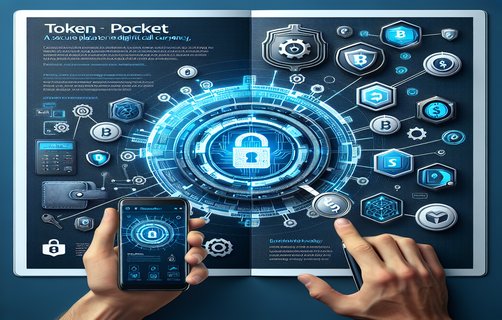
Nevertheless, it is essential to consider emerging technologies and legislative frameworks that could facilitate law enforcement's approach to digital assets. The integration of advanced digital signatures and encryption techniques strengthens wallet security while also creating opportunities for innovative payment models. For instance, a well-structured regulatory environment that mandates transaction transparency could assist in tracing illicit activities while safeguarding user privacy.
The development of smart payment models can further enhance the utility of non-custodial wallets. By embedding security features like biometric verification and multi-signature capabilities, users can ensure their assets are not only secure but also readily available for legitimate transactions. Such innovations foster trust in the system, thus encouraging broader adoption and acceptance in various commercial applications.
In the context of a digital economy, efficient digital transformation plays a crucial role in addressing the challenges that non-custodial wallets present. Entities exploring this realm must focus on creating user-friendly interfaces that simplify asset management while integrating robust security protocols. Security measures such as password protection, combined with personalized encryption, can provide additional layers of security, appealing to a broader user base.
The evolution of payment models also opens the door for exciting possibilities. For instance, integrating cryptocurrency transactions into existing financial frameworks could drive more seamless payment processes, benefiting merchants and consumers alike. A well-designed infrastructure would enable instantaneous transactions with lower fees, attracting those who are currently underserved by traditional banking systems.

In conclusion, while the question of whether police can freeze assets in non-custodial wallets remains complex, the trajectory towards smart payment models, coupled with enhanced security measures, promises a dynamic landscape. The focus on efficient digital transformation and innovative approaches to financial management aligns with the growing demand for privacy and control in an increasingly digital economy. As we step into the future, striking a balance between user autonomy and regulatory oversight will be paramount, paving the way for a secure, efficient, and equitable financial ecosystem.